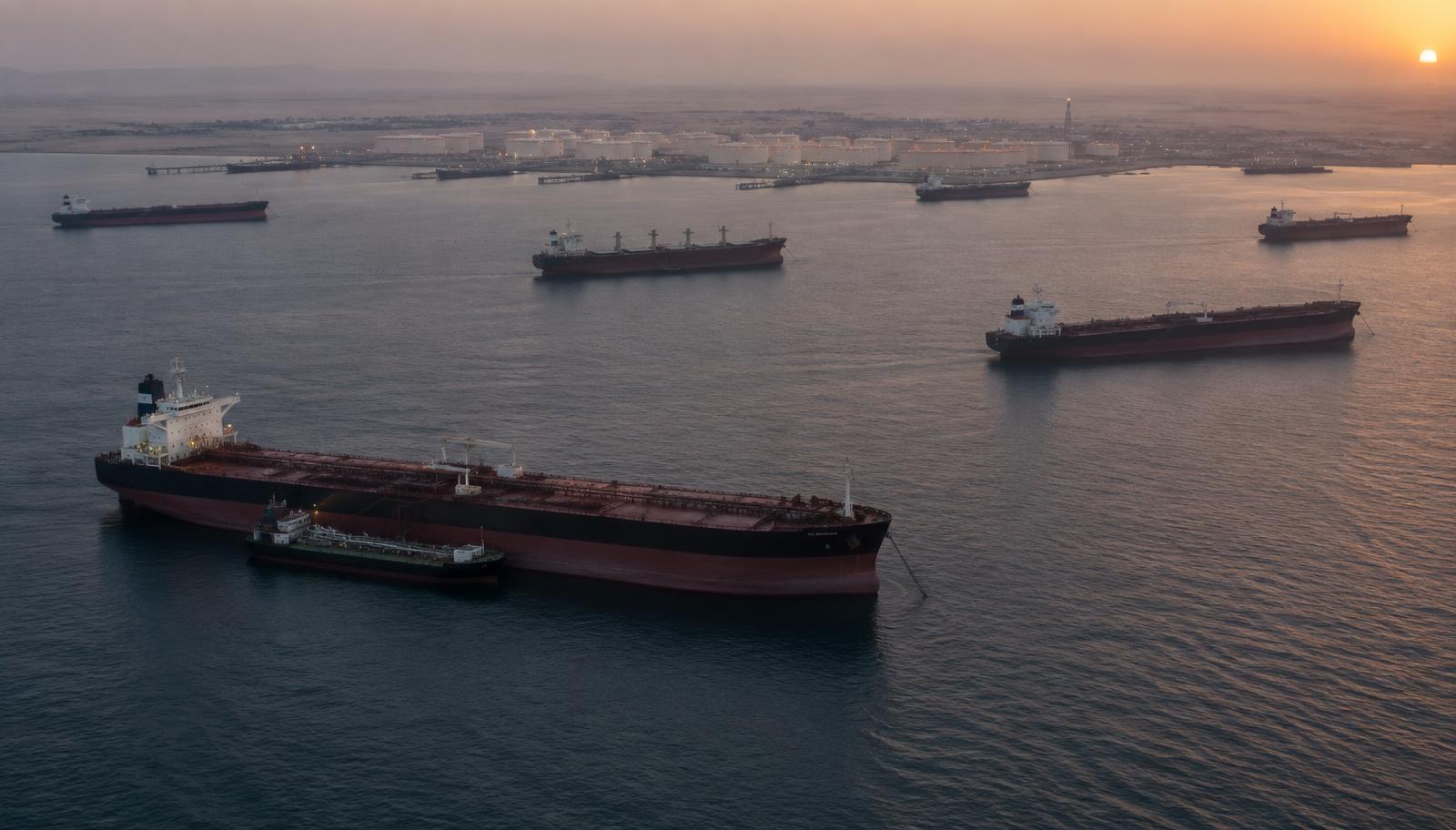
Cover image: AI-generated illustration created for BunkerWatch. It does not show a real vessel or operation.
Bunker prices may be easing across parts of the global market, but price alone is not telling the entire story.
Fuel availability remains tight at several strategically important bunkering locations, creating another consideration for shipowners, operators and charterers planning upcoming stems.
Fujairah continues to face particularly constrained supply, while availability in Zhoushan has also tightened. Singapore, meanwhile, is seeing relatively low bunker demand as the market adjusts to changing regional conditions.
The result is an increasingly uneven bunker market where the cheapest apparent price may not necessarily represent the most practical bunkering option.
Fujairah Supply Remains Extremely Tight
Fujairah remains one of the most important bunkering locations to watch.
Availability across conventional bunker grades is currently described as extremely tight, even as prices across many East of Suez locations have moved lower.
That distinction matters.
Bunker pricing provides an indication of the cost of fuel, but operators must also consider whether the required grade and quantity can actually be supplied within the vessel's available stem window.
For vessels operating around the Arabian Gulf and Gulf of Oman, continued constraints in Fujairah could make lead times, supplier availability and alternative bunkering locations increasingly important considerations.
Singapore Demand Remains Low
Conditions in Singapore look different.
Bunker demand at the world's largest bunkering hub is currently reported as relatively low, while regional fuel markets continue to adjust following significant volatility throughout September.
Singapore VLSFO was assessed around $874 per metric ton on September 28, down $5 on the day.
That price remains well below levels seen earlier in September. VLSFO was assessed above $900 per metric ton during several trading sessions in the middle of the month.
The movement illustrates just how quickly bunker economics have changed during September.
However, lower prices do not necessarily indicate uniform conditions throughout the Asian bunker market.
Zhoushan Availability Tightens
Zhoushan is currently experiencing tighter bunker availability.
The Chinese port has become an increasingly important competitor to Singapore in the Asian marine fuel market, making changes in availability particularly relevant for vessels with flexibility over where they bunker.
Tighter availability in one regional hub can also influence demand elsewhere as buyers evaluate alternative ports.
For operators, comparing bunker prices without considering expected availability and lead times can therefore provide an incomplete picture of the actual procurement environment.
Sri Lankan Ports Show Better Availability
While some major Asian and Middle Eastern locations face constraints, several Sri Lankan ports, including Colombo, currently have good bunker availability.
That contrast demonstrates the increasingly regional nature of the bunker market.
Fuel availability can differ substantially between ports even within the same broader trading area. Depending on a vessel's voyage, schedule and fuel requirements, alternative bunkering locations may become economically relevant when traditional hubs face constrained supply.
The cheapest nominal bunker price is not always the lowest-cost operational decision once deviation, time, availability and voyage requirements are considered.
Middle East Shipping Risk Remains a Major Variable
The physical bunker market also continues to operate against an unusually complicated geopolitical backdrop.
Shipping through the Strait of Hormuz slowed sharply over the weekend following attacks involving vessels in the region.
Ship-tracking data cited by Reuters showed only five commodity vessels transiting the strait on Saturday and none registered on Sunday, compared with 31 during the previous weekend.
UK Maritime Trade Operations has also reported multiple security incidents involving commercial vessels in and around the Strait of Hormuz during September.
These developments remain relevant well beyond the vessels directly transiting the region.
The Strait of Hormuz is one of the world's most important energy transportation corridors, meaning disruptions can influence crude flows, vessel routing, insurance costs, bunker availability and ultimately marine fuel pricing.
Why Availability Matters Alongside Price
For bunker buyers, there are effectively two markets to monitor: the financial price of fuel and the physical availability of that fuel.
A port may appear attractive based purely on its quoted VLSFO or MGO price, but that advantage can disappear if the vessel faces a lengthy lead time, limited supplier options or an operationally inconvenient stem.
Conversely, a somewhat more expensive port with reliable supply may represent the more economical option when the entire voyage is considered.
This is particularly important during periods of geopolitical disruption and rapid price movement.
What to Watch
Heading into October, Fujairah deserves particularly close attention.
If availability remains constrained, regional bunker premiums and demand at alternative ports could remain affected.
Singapore demand will also be important. A sustained period of weaker demand could influence local pricing and regional competition, particularly if supply conditions improve elsewhere in Asia.
Zhoushan availability, Middle East shipping conditions and movements through the Strait of Hormuz are additional factors worth monitoring.
The broader takeaway is straightforward: bunker prices are only one part of the market.
Price, availability, location and timing ultimately determine the true cost of a bunker stem.
Follow the Market with BunkerWatch
BunkerWatch brings bunker prices, energy markets, port conditions and related maritime information together in one place, helping maritime professionals monitor the factors affecting marine fuel costs and voyage economics.
Compare live prices on the Prices and Compare pages, track benchmarks on the Market page, and check weather on Port Conditions. Follow BunkerWatch Market Intelligence for continuing coverage of bunker prices, fuel availability, crude oil and global shipping markets.
Market information is provided for informational purposes only. Bunker prices and availability indications may differ between reporting services, suppliers, locations and actual market conditions.
Sources & References
ENGINE — East of Suez Fuel Availability Outlook, September 29, 2026
ENGINE — East of Suez Market Update, September 29, 2026
Ship & Bunker — Singapore Bunker Prices
UK Maritime Trade Operations — Recent Maritime Security Incidents
Reuters / Gulf Times — Shipping Slows Through Strait of Hormuz After Tanker Attacks